

New York City is a concrete jungle – but it's also an urban forest. We lead 14 unique walks to help you learn 100 of our most common trees. Knowing them will make you a more observant naturalist, a better birder, or an all-round happier person.
It's easier than you think and we're here to help.
"Fabulous! I've been on many nature walks, but rarely are they this intelligent and entertaining."
– Emma Paske, birder & Dendro Lab Member
"The Dendro Lab has become an intregal part of our New York experience and enhanced our lives in countless ways."
– Josh Levine, Dendro Lab Member
Getting the most out of your tree walk
ARRIVE EARLY: Please arrive 10 minutes before our start time. Routes vary, making it difficult to find the group after we set off.
WEATHER POLICY: Walks are rain or shine, unless lightening or high winds are present. Check the forecast and come prepared.
COME TO LEARN: Enjoyment is our #1 goal, but you're encouraged to bring a notebook, pen, and camera-phone. You'll receive more information than you'll be able to recall without them.
hybrid planetree (London planetree), Platanus x hispanica
Event Schedule
Saturday, October 24
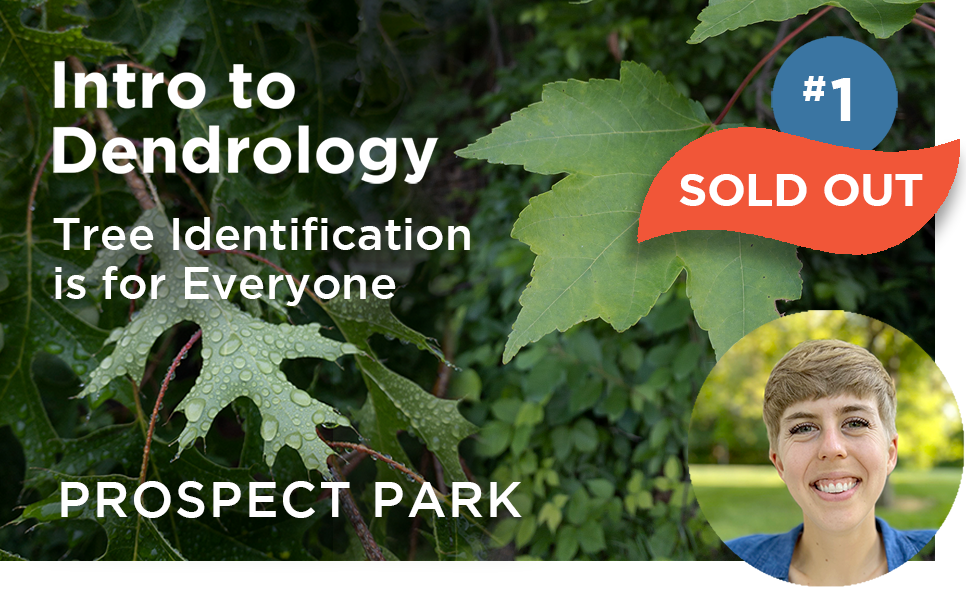
Morning, 10am - 12
Location: Drummer’s Grove
Guide: Nicole Follmann-Olukayode
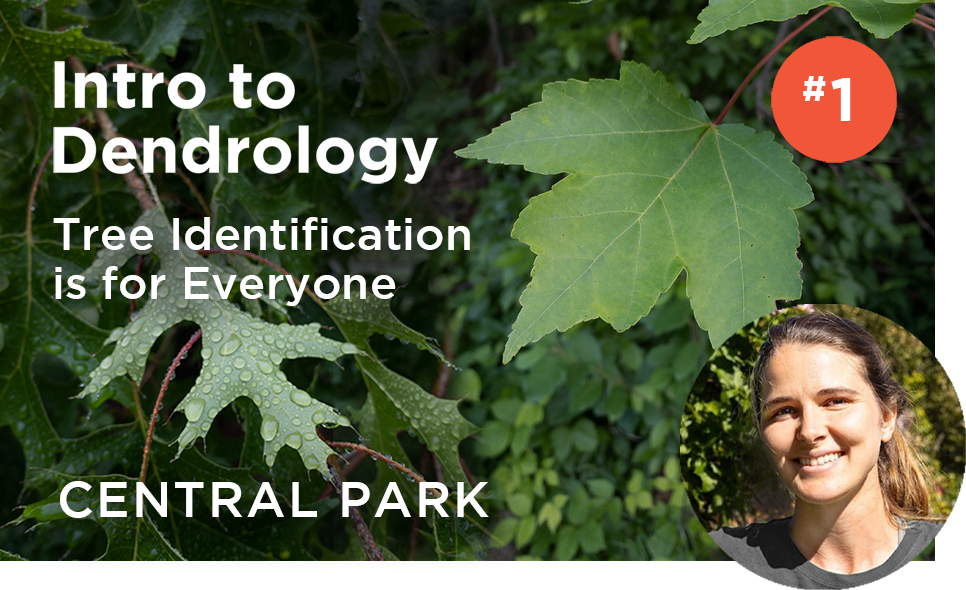
Morning, 10am - 12
Location: Naturalist’s Gate @ West 77th
Guide: Dorothy Janick
Afternoon, 1 - 3pm
Location: Drummer’s Grove
Guide: Nicole Follmann-Olukayode
Afternoon, 1 - 3pm
Location: Naturalist’s Gate @ West 77th
Guide: Dorothy Janick
Sunday, November 8
Morning, 10am - 12
Location: Naturalist’s Gate @ West 77th
Guide: Aline Akelis
Sunday, November 15
Afternoon, 1 - 3pm
Location: Naturalist’s Gate @ West 77th
Guide: Aline Akelis
Every trail, every campsite, every urban park, and stream – left better than they were found. Practice and share the values and principles of Leave No Trace.
To learn more about outdoor ethics, please visit Leave No Trace


The Dendro Lab 100 Masterlist, NYC edition
This is a master list of the most common or noteworth trees within our local ecoregions of the North Atlantic Coastal Plain and Lower Hudson River Basin, which you'll be able to identify after completeing the series of Dendro Lab walks.Oak & Beech Tour
pin oak, Quercus palustris
willow oak, Quercus phellos
shingle oak, Quercus imbricaria
black oak, Quercus velutina
white oak, Quercus alba
swamp white oak, Quercus bicolor
bur oak, Quercus macrocarpa
chestnut oak, Quercus montana
American beech, Fagus grandifolia
European beech, Fagus sylvatica
Turkey oak, Quercus cerris
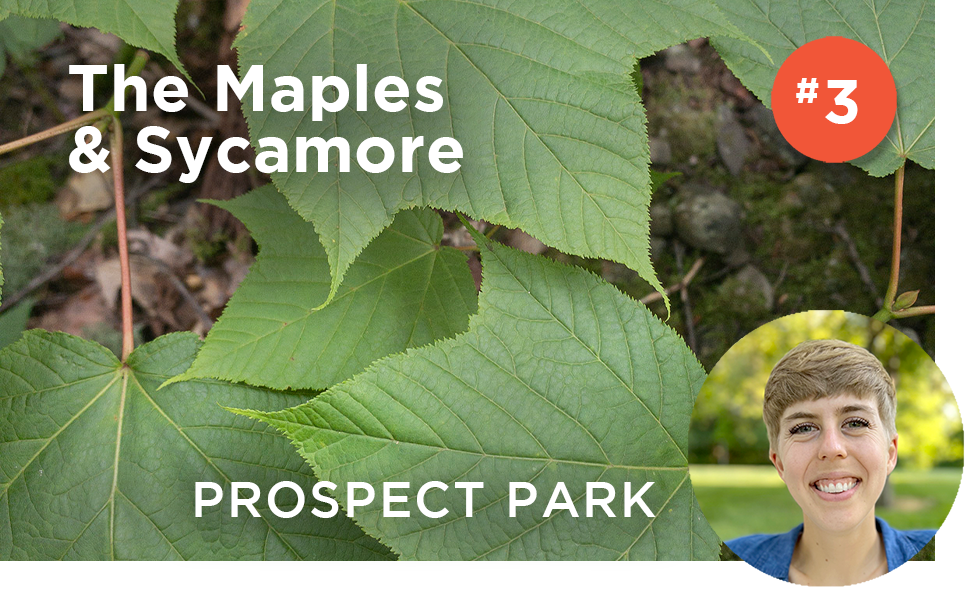
The Maples vs. Sycamore
sugar maple, Acer saccharum
Norway maple, Acer platanoides
sycamore maple, Acer pseudoplatanus
Japanese maple, Acer japonicum
striped maple, Acer pensylvanicum
American sycamore, Platanus occidentalis
hybrid planetree, Platanus x acerifolia
sweetgum, Liquidambar styraciflua
sassafras, Sassafras albidum
mapleleaf viburnum, Viburnum acerifolium
arrowwood viburnum, Viburnum dentatum
Elms, Mulberries, & Lindens
slippery elm, Ulmus rubra
European field elm, Ulmus minor
Siberian elm, Ulmus pumila
Chinese elm, Ulmus parvifolia
sugarberry, Celtis occidentalis
Japanese zelkova, Zelkova serrata
red mulberry, Morus rubra
white mulberry, Morus alba
American linden, Tilia americana
silver linden, Tilia tomentosa
American witch-hazel, Hamamelis virginiana
Cherries, Apples, & Hawthorns
Yoshino cherry, Prunus x yedoensis
Kwanzan cherry, Prunus serrulata ‘Kwanzan’
crabapple, Malus spp.
hawthorn, Crataegus spp.
serviceberry/shadbush, Amelanchier spp.
Callery pear, Pyrus calleryana ‘Bradford’
wild rose, Rosa spp.
multiflora rose, Rosa multiflora
blackberry, Rubus spp.
wineberry, Rubus phoenicolasius
Compound Leaves I:
Legumes, Elderberry, & Tree-of-Heaven
black locust, Robinia pseudo-acacia
Japanese pagoda tree, Styphnolobium japonicum
Kentucky-coffee tree, Gymnocladus dioicus
American elderberry, Sambucus canadensis
tree-of-heaven, Ailanthus altissima
Amur corktree, Phellodendron amurense
golden rain-tree, Koelreuteria paniculata
poison ivy, Toxicodendron radicans
Virginia creeper, Parthenocissus quinquefolia
Compound Leaves II:
Hickory, Ash, Buckeye, & Sumac
shagbark hickory, Carya ovata
black walnut, Juglans nigra
green ash, Fraxinus pennsylvanica
European horse-chestnut, Aesculus hippocastanum
yellow buckeye, Aesculus flava
bottlebrush buckeye, Aesculus parviflora
smooth sumac, Rhus glabra
staghorn sumac, Rhus typhina
winged sumac, R. copallinum
Simple Leaves with Entire Margins
northern catalpa, Catalpa speciosa
spicebush, Lindera benzoin
tulip tree, Liriodendron tulipifera
euonymous, Euonymous spp.
cornelian dogwood, Cornus mas
rhododendron, Rhododendron spp.
azalea, Rhododendron spp.
mountain-laurel, Kalmia latifolia
cucumber magnolia, Magnolia acuminata
saucer magnolia, Magnolia x soulangeana
black tupelo, Nyssa sylvatica
Japanese knotweed, Reynoutria japonica
Birch, Holly, and Willow Families
black birch, Betula lenta
grey birch, Betula populifolia
yellow birch, Betula allegheniensis
paper/white birch, Betula papyrifera
American hornbeam, Carpinus caroliniana
European hornbeam, Carpinus betulus
eastern hophornbeam, Ostrya virginiana
smooth alder, Alnus serrulata
American holly, Ilex opaca
winterberry holly, Ilex verticillata
eastern cottonwood, Populus deltoides
willow, Salix spp.
Conifers I: The Pine Family
Himalayan pine, Pinus wallichiana
Austrian pine, Pinus nigra
pitch pine, Pinus rigida
eastern-hemlock, Tsuga canadensis
Norway spruce, Picea abies
balsam fir, Abies balsamea
true cedar, Cedrus sp.
larch, Larix sp.
Douglas-fir, Pseudotsuga menziesii
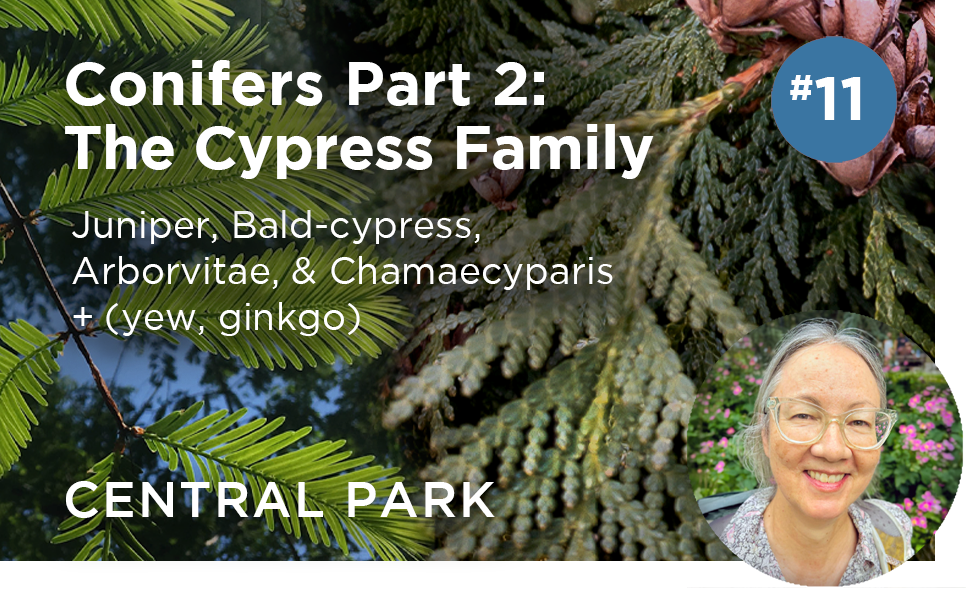
Conifers II: The Cypress Family +
Chinese juniper, Juniperus chinensis
dawn redwood, Metasequoia glyptostroboides
bald cypress, Taxodium distichum
American arborvitae, Thuja occidentalis
Oriental arborvitae, Platycladus orientalis
Japanese cryptomeria, Cryptomeria japonica
Leyland cypress, Cupresssus x leylandii
+ yew, Taxus sp.
+ ginkgo, Ginkgo biloba

